
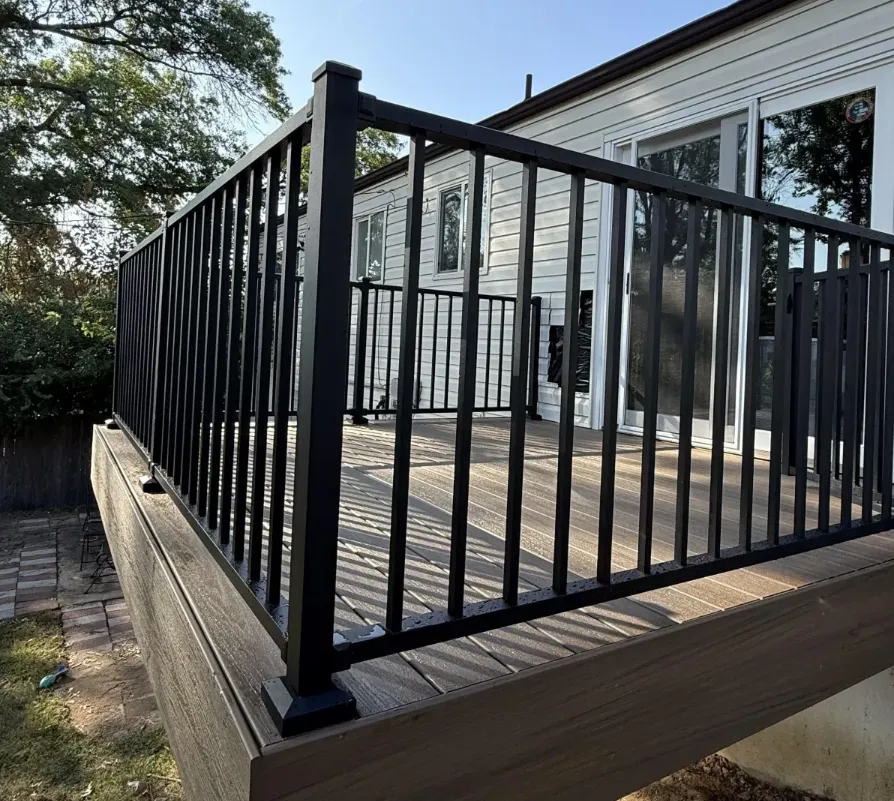
New Deck vs Deck Replacement: Costs Benefits Explained
Thinking about your deck lately? It’s easy to overlook until you step outside and notice loose boards or fading wood. Those small issues can hide bigger problems. Whether you’re wondering if a simple fix will do or if it’s time for a full replacement, understanding the costs and benefits can help you make the right choice. This guide breaks down everything from spotting warning signs to picking materials and planning your budget, so you can enjoy your outdoor space safely and comfortably for years to come.
Should You Build a New Deck or Replace an Existing One?
If your deck has widespread rot, structural damage, or ongoing safety issues, building a new deck is usually the best long-term solution. When the existing frame is structurally sound and damage is limited to surface boards, railings, or stairs, replacing or resurfacing the deck can be more cost-effective.
Budget, material choice, and future maintenance expectations should also guide your decision. A professional inspection helps confirm whether repairs will extend your deck’s life or if a new build will deliver better value and safety over time.
How to Assess the Condition of Your Existing Deck
Start by examining your deck’s structural components, including joists, beams, and ledger boards. Pressing a screwdriver into the wood can help identify rot. If the wood gives easily or feels soft, decay may be present. Sagging areas or sections that shift underfoot are also signs of structural weakness that should not be ignored.
Next, inspect the surface boards for cracks, splintering, discoloration, or peeling finishes. While cosmetic wear alone does not always require replacement, widespread surface damage often indicates deeper deterioration beneath. If damage is limited to a small area, targeted repairs may be sufficient.
Finally, check fasteners and hardware. Rusted, loose, or missing fasteners can weaken the deck over time. Upgrading to corrosion-resistant screws improves stability and can extend the deck’s lifespan without the cost of a full replacement.

Signs Your Deck Needs Full Replacement
Widespread wood rot is one clear indicator that your deck may need replacing. When more than 20% of the surface or supporting framework shows decay, structural integrity is compromised beyond practical deck repair. Insect infestations also demand serious attention. Termites and carpenter ants can hollow out beams and joists from within, and patch repairs only mask the problem.
Structural issues often reveal themselves as sagging floors, uneven surfaces, or loose planks underfoot. These symptoms suggest weakened joists or fasteners failing under load. If you find yourself tightening screws, replacing boards, or fixing railings multiple times each year, the deck’s overall condition is deteriorating faster than individual problems can be patched.
As homeowner John Doe shared: “I kept fixing one issue after another but eventually realized replacing the entire deck was not only more efficient but also more budget-friendly.” If your deck exhibits two or more of these issues, it may be time to consider a full replacement rather than sinking resources into another round of repairs.
Cost Comparison: New Deck vs Deck Replacement
Building a new deck generally demands a higher upfront investment. Materials tend to run between $15 and $30 per square foot, depending on whether you choose pressure-treated wood, composite, or exotic hardwoods. Labor adds another $15 to $35 per square foot, and permits can set you back $200 to $500.
Replacement decks typically cost less because much of the underlying structure may remain intact. Material prices range from $10 to $25 per square foot, with labor at $10 to $20 per square foot. Expect additional fees of $5 to $10 per square foot for hauling away old materials. Overall, new deck construction runs about $30 to $65 per square foot, while replacement projects come in at roughly $25 to $55 per square foot.
For homeowners mindful of budgets, resurfacing offers a middle ground. By replacing just the decking boards atop a sturdy support frame, you preserve the original structure while giving your deck a fresh look and improved safety at a fraction of the cost.
Best Deck Materials for New Builds and Replacements
Your material choices broadly fall into three categories. Natural wood like cedar and redwood offers a classic look and warmth, though it requires regular staining or sealing every couple of years. For homeowners who enjoy hands-on maintenance, wood provides organic character that ages gracefully when properly cared for.
Composite decking, made from wood fibers and recycled plastic, is ideal if low maintenance tops your priority list. Composites don’t warp, splinter, or require yearly sealing, and about 37% of new decks now favor this material for its durability. Their nonporous surface also resists slips when wet, which is especially important near pools or in rainy climates.
PVC decking represents a fully synthetic option that is incredibly resistant to moisture damage, mold growth, and insect infestation. While it carries the highest price tag, PVC decks often outlive natural wood by decades without significant maintenance aside from routine cleaning.
How Design and Layout Affect New Deck vs Replacement Decisions
Protecting your deck from moisture and sun exposure is essential for long-term durability. Wood decks benefit from regular sealing or staining to reduce water absorption and UV damage. Applying these treatments every one to three years helps prevent cracking, fading, and premature aging.
Composite and PVC decks require less maintenance but still benefit from routine cleaning to prevent buildup in joints and hidden areas. Periodic inspections of fasteners and connections help identify minor issues early, extending the life of both new and replacement decks.
How to Improve Deck Durability and Lifespan
For wood decks, applying high-quality sealants and stains regularly is one of the most effective ways to enhance longevity. These products form a protective barrier that repels moisture and protects against UV rays that cause discoloration and fiber breakdown. If you’ve ever seen a deck fade to a dull gray or feel brittle underfoot, you’ve witnessed the destructive effects of UV damage. Look for outdoor-specific formulas with UV inhibitors and apply them every one to three years depending on your climate.
Composite decks benefit from regular cleaning with manufacturer-recommended products to prevent mold and mildew buildup. Scheduling periodic professional inspections to check hidden areas like joints and undersides helps catch small problems before they escalate. At HomeScape Contracting LLC, we also recommend stainless steel hardware upgrades. Unlike galvanized fasteners prone to rusting, stainless steel resists corrosion and prevents unsightly rust stains on your decking boards and railings.

How to Decide Between a New Deck or Replacement
On average, a well-crafted deck recoups about 70 to 75% of its investment at resale, though this figure fluctuates based on local market conditions and buyer expectations. Smart designs focused on quality materials and usability tend to fetch better returns than larger, flashier builds. Beyond resale value, think about personal usage. If you entertain regularly or simply enjoy peaceful evenings outdoors, durable composite materials can reduce upkeep hassles and extend enjoyment over decades. High-end options such as Azek Vintage offer a stylish look while slashing maintenance time by up to 75%. If your existing understructure holds strong, resurfacing with fresh cedar strikes a solid balance between cost and improvement.
Why Homeowners Choose HomeScape Contracting LLC
Homeowners choose HomeScape Contracting LLC because we focus on practical solutions, realistic timelines, and long-term value. Our experience with deck repairs, replacements, and new builds allows us to recommend what makes the most sense for each home rather than pushing unnecessary work.
We understand local building codes, permitting requirements, and site conditions, which helps prevent delays and compliance issues. Whether a project calls for targeted deck repair service or a complete rebuild, our approach prioritizes safety, durability, and clear communication at every stage.
Experienced in both deck replacement and new construction
Strong understanding of local codes and permit processes
Honest recommendations based on structural condition
Emphasis on durability, safety, and long-term performance
Clear timelines and transparent project planning
Ready to Decide What’s Right for Your Deck?
Choosing between a new deck and a replacement can feel overwhelming, especially when safety, cost, and long-term maintenance are all factors. Getting expert guidance early helps avoid unnecessary expenses and ensures your deck meets both your needs and local requirements.
HomeScape Contracting LLC helps homeowners evaluate their options and move forward with confidence. To discuss your deck project and get a clear recommendation, call 314-912-4770 or visit HomeScape Contracting LLC to request a free quote.
FAQs on New Deck or Deck Replacement
What are the signs that my deck needs replacement rather than repair?
If your deck’s wood is splintering, sagging, or showing widespread rot, especially if more than 15% of its surface needs repair, it’s time to consider replacement. Structural issues like unstable railings or joists are safety hazards, and decks older than 20 years often harbor hidden damage that makes full replacement the smarter investment.
How do design and material choices impact my decision?
High-quality materials like composite can extend a deck’s lifespan by 25 or more years, often justifying a new build over replacement. Complex designs with custom angles or multi-levels usually favor new construction, as retrofitting old decks with innovative features can cost up to 30% more than starting fresh.
How do the costs of a new deck compare to replacement?
New decks cost more upfront because you’re starting from scratch. Replacement projects often save 20 to 30% by reusing existing structures and materials. However, if your old deck is in severe disrepair, starting fresh might save you headaches and future repair bills in the long run.
What factors should influence my decision?
Consider the current deck’s condition, safety concerns, and your budget. Repairing can save up to 50% compared to full rebuilds but might not fix structural issues or outdated designs. If your deck shows extensive rot or code violations, a new build typically offers better long-term ROI.
What permits and regulations should I consider?
Most local governments require building permits for new decks or major replacements. Regulations typically cover structural integrity, materials, railing heights, and proximity to property lines. Nearly 40% of DIY deck projects face delays because of permit issues, so always check with your city’s building department before starting work.
Facebook
Instagram
X
LinkedIn
Youtube
TikTok